How to Prevent Frozen Pipes in Winter — Homeowner Protection Guide
How to Prevent Frozen Pipes in Winter (Homeowner Protection Guide)
Frozen pipes are one of the most common — and expensive — winter plumbing emergencies. Cold temperatures cause water to expand inside pipes, creating pressure that leads to cracking or bursting. A single burst pipe can flood a home in minutes, resulting in thousands of dollars in damage.
This guide covers:
✔ How to prevent pipes from freezing
✔ What temperature becomes dangerous
✔ Areas at highest risk
✔ What to do if pipes already froze
✔ When to call a plumber
When Do Pipes Freeze?
Pipes begin to freeze at:
32°F (0°C) — water begins freezing
20°F (-6°C) — high burst risk without protection
If temps are dropping below freezing overnight, prepare immediately.
Highest Risk Areas in a Home
- Basements & crawl spaces
- Attics and garages
- Outdoor hose bibs
- Pipes near exterior walls
- Under kitchen & bathroom sinks
If you’ve had pipe problems before — consider these danger zones.
How to Prevent Frozen Pipes (Simple Steps)
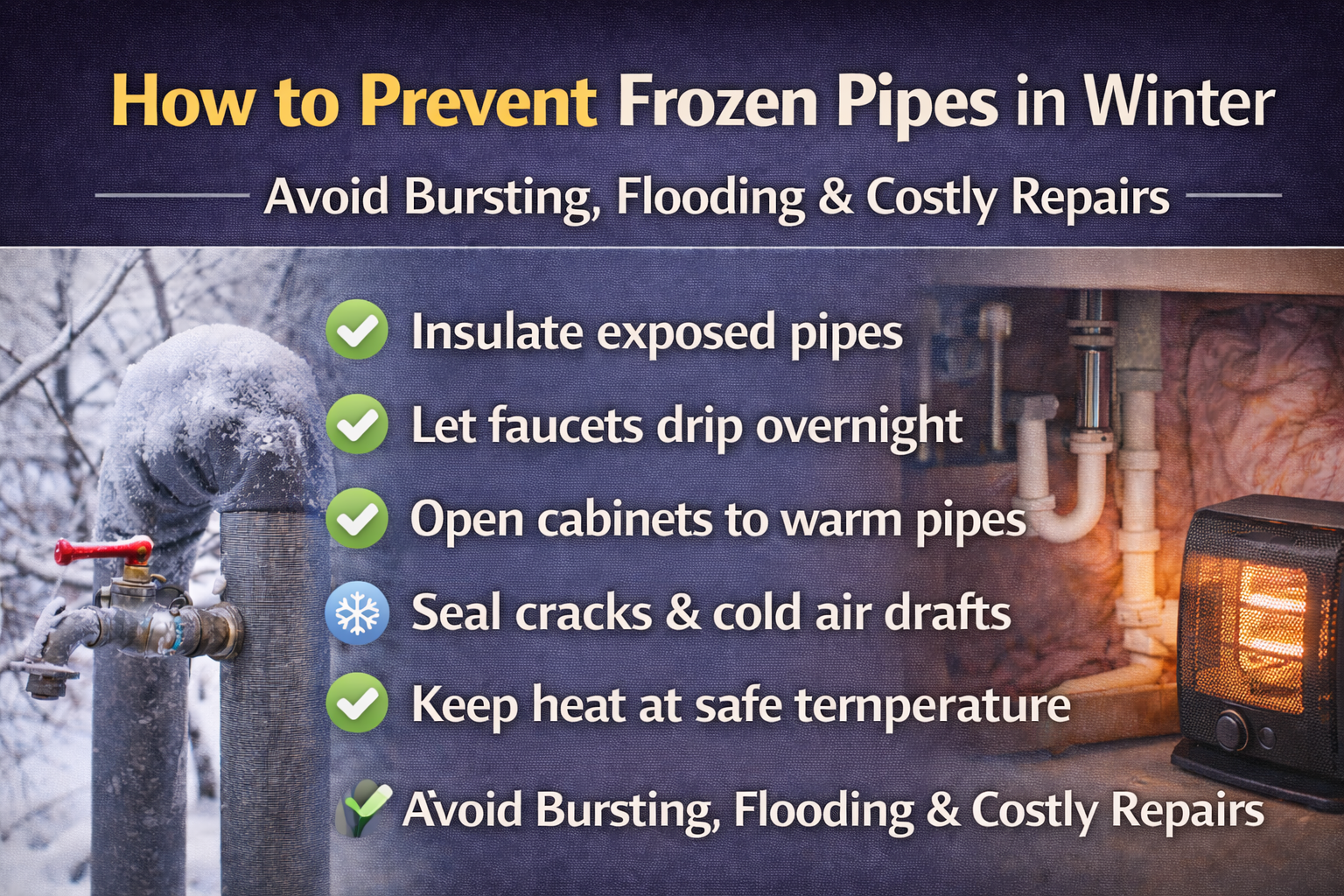
✔ 1. Insulate Exposed Pipes
Use foam sleeves or wrap-around insulation.
- In basements
- In garages
- Under sinks
- Along exterior walls
✔ 2. Let Faucets Drip Overnight
Even a slow drip keeps water moving and lowers freezing risk.
✔ 3. Open Cabinet Doors
Allow warm air to reach pipes near sinks and dishwashers.
✔ 4. Seal Cracks & Cold Air Drafts
Use caulk or insulation around:
- Window gaps
- Door frames
- Foundation openings
✔ 5. Keep Heat at a Safe Temperature
Do NOT set the thermostat below 55°F (13°C) — even when traveling.
What Not to Do
❌ Don’t use open flames or torches to thaw pipes
❌ Don’t pour boiling water directly on frozen pipes
❌ Don’t ignore rattling, banging, or gurgling noises
This can cause pipes to split or explode.
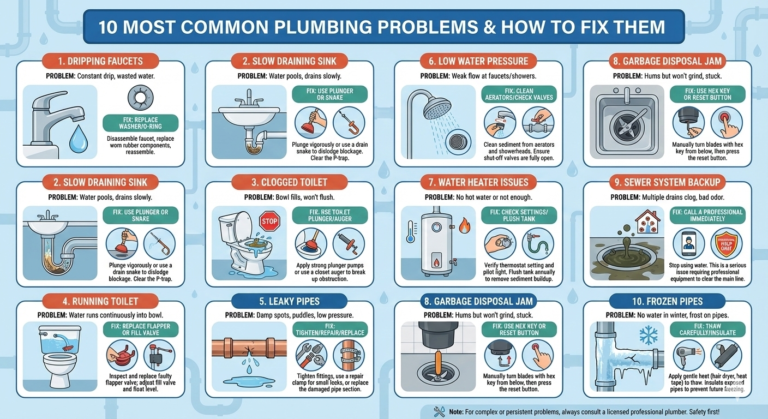
If a Pipe Is Already Frozen — Do This:
- Turn off the main water supply
- Open all faucets to relieve pressure
- Heat the area gently with:
- Hair dryer
- Heating pad
- Space heater (supervised, safe distance)
- DO NOT use fire, torches, or propane
If you don’t know where the freeze is — call a professional.
Cost of a Burst Pipe vs Prevention
| Issue | Typical Cost |
|---|---|
| Preventive insulation | $50–$300 |
| Frozen pipe thawing | $150–$500 |
| Burst pipe repair | $600–$2,500+ |
| Home flood damage | $5,000–$20,000+ |
Prevention is cheaper than repair.
Final Takeaway
Frozen pipes are preventable.
Protect them early and avoid emergency plumbing bills later.
👉 Find plumbers near you at PlumbersCorners.com
👉 List your plumbing business to get leads worldwide